Chapter 1: Safety and Planning for Winter Adventures

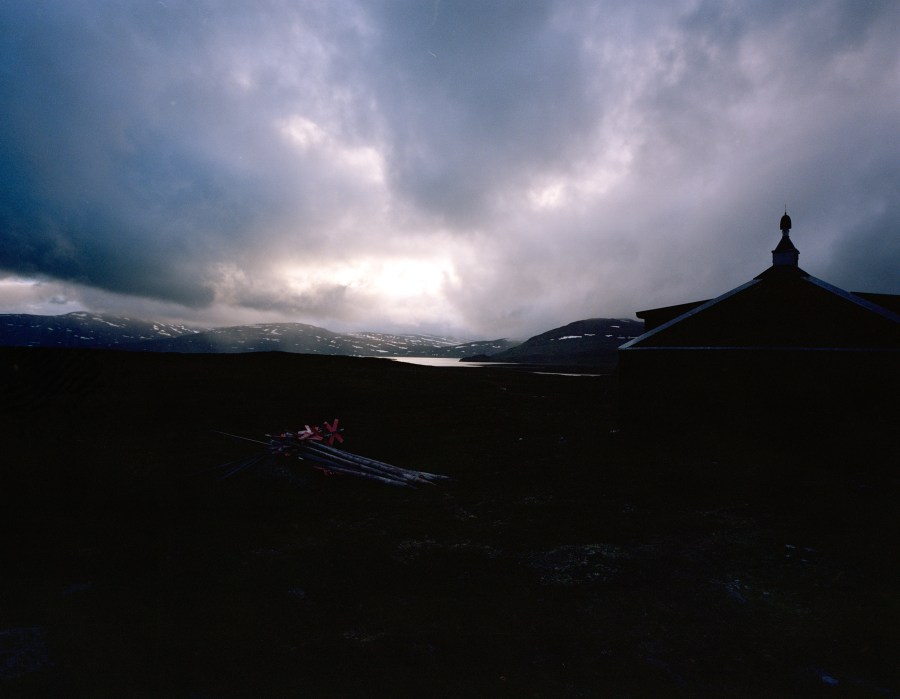
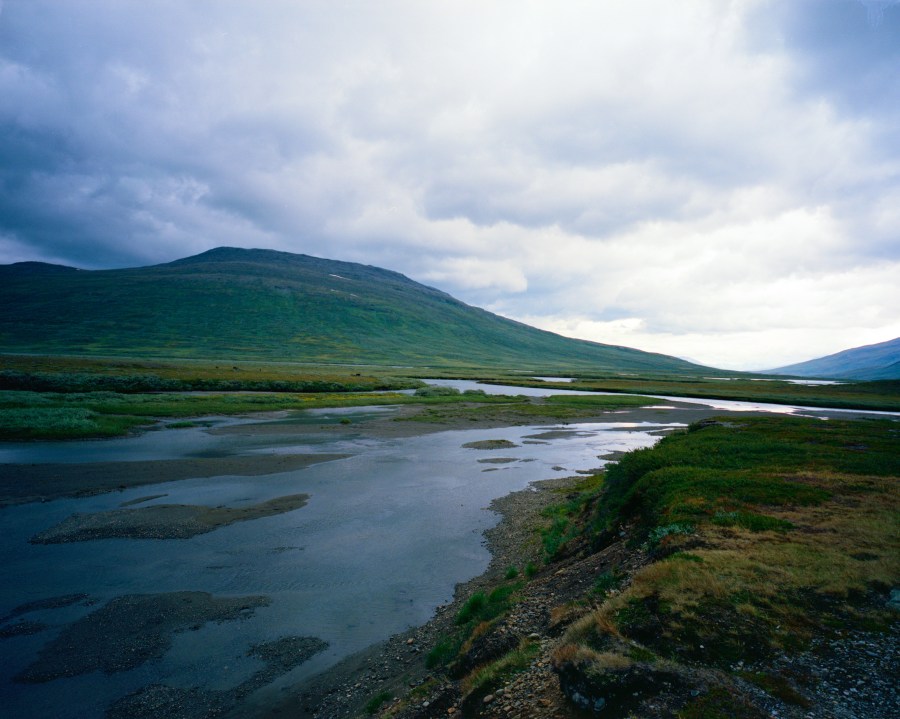
A few people have been caught out in the cold this year alone in Northern Sweden on their hiking trips; even with emergency SOS devices, maps, and contacts, these unfortunate hikers froze to death. That is the reality of hiking, especially winter hiking if you go into these situations unprepared. And even if you are prepared, the risk in winter hiking is still very real. You have to be prepared for even the worst outcomes. In one of these unfortunate accidents, the hiker, even with an SOS device sending a GPS signal, no emergency service could get to him in time because of the storms that had trapped him. I want to start my deep dive into winter hiking by stressing this point: Be prepared, even for the worst-case scenario, and don’t expect somebody to come out and save you if things turn for the worse.
So my first chapter and parts here in my Mastering ultralight winter hiking series will be specifically based on safety protocols and navigation.
Part 1: Safey and planning
Embarking on winter adventures requires careful attention to safety and meticulous planning, especially when embracing ultralight camping principles. Preparation is key to addressing the unique challenges of cold weather, snow-covered landscapes, and potentially harsh conditions. This chapter delves into essential practices that lay a foundation for safe and effective experiences in the wilderness during winter months. By prioritizing thorough preparation and understanding the nuances of winter camping, adventurers can ensure both safety and enjoyment amidst nature’s more intense elements.
This text will guide readers through establishing an emergency contact plan, a fundamental aspect of winter adventure safety. It emphasizes selecting reliable individuals who can act swiftly in emergencies, maintaining clear communication protocols, and integrating regular check-ins into your routine. Additional focus is given to identifying trustworthy contacts, ensuring their availability, and understanding the value of local knowledge and relevant skills. This approach prepares explorers for potential risks and fosters a support network, enhancing overall preparedness and confidence while navigating winter terrains. The strategies outlined aim to empower beginners and seasoned outdoor enthusiasts, equipping them with the tools needed for a secure and memorable experience in the winter wilderness.
Importance of Creating an Emergency Contact Plan
Establishing an emergency contact plan ensures safety in ultralight winter camping. Having reliable contacts can significantly enhance your safety and peace of mind when adventuring into the wilderness, particularly under challenging winter conditions. These individuals are pivotal in acting swiftly if something goes wrong, ensuring that emergency responses are prompt and appropriate.
In selecting your emergency contacts, focus on identifying trustworthy individuals who understand the significance of their role. They should be reliable and available to act decisively in unexpected situations. This implies not just availability but also the willingness to intervene when necessary. The dependability of your contacts directly influences the effectiveness of any response during emergencies.
Developing clear communication protocols is another crucial aspect of an emergency plan. Communicating your location and plans effectively reduces confusion, ensuring clarity during emergencies, which can expedite search and rescue operations. For instance, you might consider utilizing devices such as satellite phones or personal locator beacons (PLBs) that work efficiently in remote areas where traditional mobile networks may fail. These tools guarantee that your position is continually known and that you can send distress signals when required. The key is ensuring that all parties understand how these communication tools function and the specific scenarios in which they’ll be used.
Integrating set check-in times into your communication protocol is also vital. Scheduling regular check-ins ensures that your chosen contacts are updated on your status, safeguarding your well-being. For example, before heading out, you could agree on specific times and intervals for these check-ins, such as sending updates upon reaching particular landmarks or whenever practical, given weather conditions and itinerary specifics. This habit ensures someone is always aware of your last known location, acting as an early warning system should a check-in be missed. Moreover, these check-in arrangements enhance personal responsibility and encourage consistent progress monitoring.
Creating a comprehensive emergency contact list is another step in preparing a robust safety system. This list must be easily accessible, both digitally and physically. While electronic formats offer convenience and ease of updating, it’s wise to have physical copies available in case digital devices fail or power sources become unavailable. Ensure that this list contains up-to-date information, including names, phone numbers, email addresses, and any additional details like medical conditions or preferences pertinent in emergencies.
Finally, understanding the broader context and risks associated with ultralight winter camping enhances the effectiveness of your emergency contact plan. Familiarizing yourself with potential hazards—from severe weather changes to navigation challenges—allows you to prepare more thoroughly and adapt your plan to meet those needs. Discuss these potential scenarios with your contacts so they are well informed about the nature of your excursion.
Implementing a rigorous emergency contact plan creates a safety net that protects against unpredictable winter camping challenges. Ensuring the selection of reliable individuals, setting clear communication standards, maintaining regular check-ins, and keeping updated contact lists is a comprehensive safety approach. These strategies mitigate risks and empower you to enjoy the beauty and serenity of winter adventures with greater confidence and security.
Setting Check-in Times
Scheduling regular check-ins with your contacts is crucial in ensuring safety and communication during an ultralight winter camping expedition. This practice involves updating your chosen contacts on your location and condition at scheduled intervals, providing consistent information and support throughout your adventure. The effectiveness of this strategy hinges on several key factors, which we will explore below.
Firstly, these regular updates are vital in informing your contacts about your current location and overall condition. By maintaining a steady flow of information, you ensure those on the ground have an accurate understanding of your journey’s progress and any potential challenges you might face. This could be as simple as sending a text or making a quick call to share your GPS coordinates, allowing contacts to track your movements and be prepared to assist if needed. Consistent communication is especially important in remote areas where unforeseen changes in weather or terrain can rapidly alter plans.
Moreover, having scheduled check-ins acts as an early warning system. If you miss a designated check-in time, it immediately signals your contacts that something may be amiss. In such instances, they can initiate appropriate measures based on predetermined protocols to ensure your well-being. This system mitigates risks by providing timely intervention and offers peace of mind, knowing there is a safety net if things go awry.
Timing considerations are essential when setting up your check-in schedule. Selecting appropriate times that align with your camping routine and environmental conditions is vital. For instance, scheduling check-ins during breaks or meal times when you are momentarily stationary and have stable communication access might be more practical. Adverse weather conditions may impact signal availability, so incorporating flexibility into timing can help accommodate unexpected delays or difficulties in connecting with your contacts.
The primary goal is to establish a convenient and effective routine without being overly burdensome or disruptive to your camping experience. As adjustments may be necessary, feedback from team members or fellow campers can further refine the frequency and timing of these check-ins, making them more responsive to real-time conditions and personal preferences.
While planning check-ins, employing multiple communication methods, where possible, also boosts reliability. Using digital and physical means like satellite phones, GPS devices with messaging capabilities, or low-tech options like leaving marker notes at designated waypoints can strengthen communication, ensuring messages reach intended recipients across various circumstances.
Additionally, staying flexible with your check-in procedures is critical. As you gain more experience or if your journey deviates significantly from initial plans, revisit and adjust your check-in strategies to align with new realities. This adaptability ensures your methods remain efficient and responsive, enhancing safety and enjoyment during your winter adventure.
Concluding Thoughts
This chapter explores the essential steps for establishing a robust foundation for safe and efficient ultralight winter camping. A well-planned emergency contact plan is central to this preparation, ensuring you have reliable communication links in place should an unexpected situation arise. By selecting trustworthy contacts familiar with your plans and capable of acting decisively in emergencies, you build a network that enhances safety and provides peace of mind. Simple measures like setting clear check-in schedules contribute significantly to maintaining a consistent flow of information, keeping all parties updated on your status, and serving as an early warning system if plans go astray.
We’ve also discussed the importance of adaptability and using available technology to support these strategies effectively. Whether it’s incorporating satellite phones or personal locator beacons or simply being aware of local conditions through informed contacts, these tools help ensure your position is known and that aid can arrive swiftly if needed. Regularly reviewing and updating your emergency plans and contact lists is vital to keeping them effective and relevant, allowing you to focus on enjoying the beauty of winter camping while feeling secure in your preparedness. As you venture into the winter wilderness, these carefully laid plans enable you to embrace the adventure with confidence and assurance.
The next chapter will discuss Navigation Strategies Using Digital and Analog Tools. So that you can navigate your way through the mountains even if your digital gear breaks down. (which happens often in winter camping – the cold kills batteries)
Reference List
A Hiking Emergency Evac Plan—What to Do When a Crisis Strikes. (n.d.). Www.mossyoak.com. https://www.mossyoak.com/our-obsession/blogs/a-hiking-emergency-evac-plan-what-to-do-when-a-crisis-strikes
Huden, Z. (2024, October 13). 4 Winter Camping Safety Tips for All Skill Levels. Cascade Designs. https://cascadedesigns.com/de-eu/blogs/thermarest-tips/winter-camping-safety-tips-all-skill-levels?srsltid=AfmBOoorUNq6ICoJE8cXP6aokXD8GsJlUYG7oxiKtIOPxhN1ghbA1Jwb
Prohens, L. (2024, June 18). Effective Communication in Crisis Situations: The Role of Language Services | Global Interpreting Network. Global Interpreting Network. https://globalinterpreting.com/blog/effective-communication-in-crisis-situations-the-role-of-language-services/
Simon, T., Goldberg, A., & Adini, B. (2015, October). Socializing in emergencies—A review of the use of social media in emergency situations. International Journal of Information Management. https://doi.org/10.1016/j.ijinfomgt.2015.07.001
The Power of Check-Ins: 7 Proven Strategies. (2024, April 25). https://easy.jobs/blog/proven-strategies-of-routine-check-ins/
greggwirth. (2022, October 5). Custom & Advisory: Regular Check-ins on work & well-being are at the nexus of associate retention, say CTOs. Thomson Reuters Institute. https://www.thomsonreuters.com/en-us/posts/legal/custom-advisory-check-ins-retention/